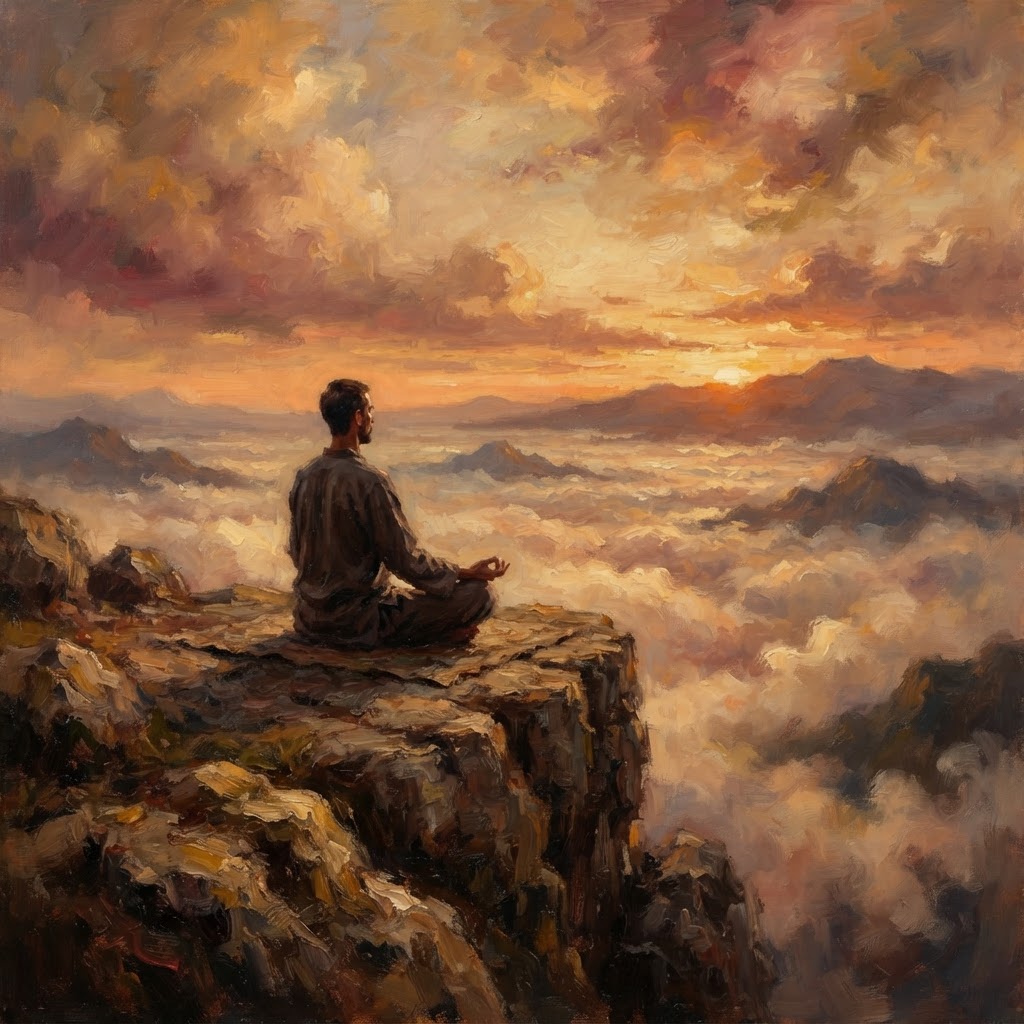
The Path of Genuineness: Walking in the Footsteps of Milarepa
As Chögyam Trungpa Rinpoche once shared, Milarepa became a famous figure not through grandiosity, but because he simply refused to lie to himself in his meditation practice. This profound commitment to basic sanity is the heartbeat of the Kagyu lineage and a vital compass for our own paths today. In our modern lives, it is so easy to fall into the trap of 'spiritual materialism'—where we treat our practice like a pursuit of gain or a way to polish our self-image. Yet, if we approach our cushion hoping to 'get' something out of the experience, we miss the point entirely. Milarepa’s life reminds us that the goal is not to accumulate spiritual experiences, but to work with our circumstances as they are, in a genuine and unvarnished fashion. The path is about unmasking our neurosis, facing our fixed views, and stepping out of the shadows of expectation. Much like the intense, challenging relationship between Milarepa and his teacher Marpa, our daily practice acts as a mirror. Sometimes this mirror is uncomfortable, showing us exactly where we are kidding ourselves. However, this is not a sign of failure; it is the very work of the dharma. By practicing with honesty, we transform the 'workable' circumstances of our daily lives into a path of liberation. Whether we are navigating the stress of a workday or the quiet of a morning sit, we have the same potential as the great yogi of Tibet. We do not need to be perfect; we simply need to be honest. When we stop trying to manipulate our experience, we find that the discipline of practice becomes a true celebration of who we are. Today, I invite you to take a moment to pause. As you sit, ask yourself: 'Am I kidding myself, or am I truly here?' Let go of the need for a specific result or a profound breakthrough. Instead, settle into the simple, heroic act of being present. Just for these few breaths, allow yourself to be completely, wonderfully, and inconveniently real. In that honesty, you may find the freedom you have been seeking all along.
Source
This post draws from teachings in the Chögyam Trungpa Digital Library