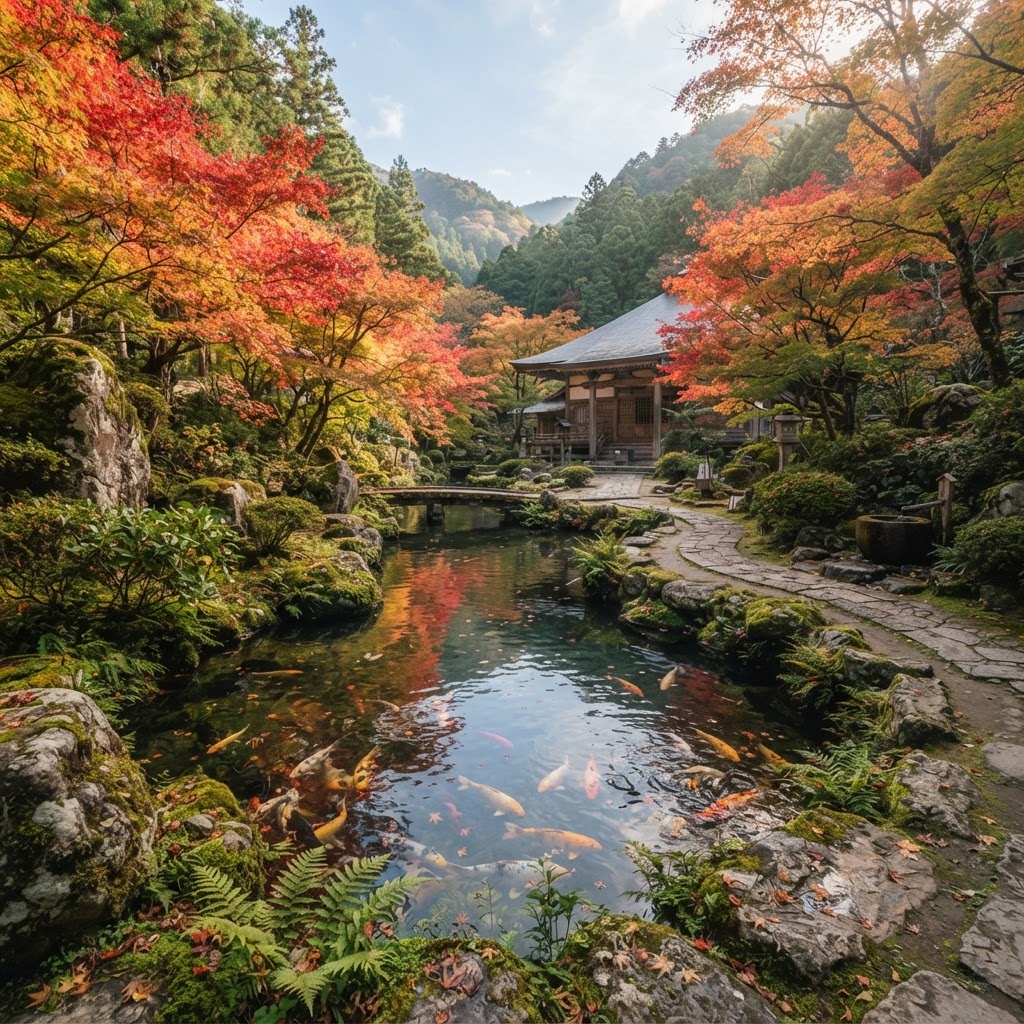
Beyond the Myth: Finding Freedom in the Present Moment
As we walk the Buddhist path, we often encounter the realization that our search for freedom is itself a sort of myth—a story we construct to escape the discomfort of the present. As Chögyam Trungpa Rinpoche once noted, the path is not about reaching a far-off destination of liberation, but about encountering the vivid, sometimes messy snapshots of our own experience. Whether we are navigating the frustration of disappointment, the haze of stupidity, or the sharp sting of anger, each state of being is an opportunity to practice.
When we look at the core themes found in The Myth of Freedom, we see that our daily lives—our work, our relationships, and our moments of boredom—are not obstacles to our practice; they are the practice. Often, we find ourselves trapped in styles of imprisonment: the self-absorption of a god realm, the paranoia of jealousy, or the relentless striving for more. We treat these states as things to be fixed or pushed away. But the teachings suggest a different approach: simplicity.
In our modern world, we are constantly bombarded by distractions that keep us from the here and now. We look for 'freedom' in changing our external circumstances, thinking that if we just had the right job, the right partner, or the right amount of success, we would finally be at peace. Yet, the wisdom of the path reminds us that true awareness begins when we stop running. It begins when we sit with our own boredom, when we acknowledge the dualistic barriers we build, and when we bring mindfulness into our daily tasks.
'Work' itself, for instance, becomes a form of meditation when we infuse it with simplicity and awareness. Love becomes the flame of passion that connects us to others rather than a tool for possession. By examining our emotions—even the challenging ones—with a sense of 'Lion’s Roar' confidence, we stop viewing our internal landscape as a battlefield and begin to see it as a landscape of discovery.
This is not a theoretical exercise; it is an invitation to inhabit your life fully. You do not need to go to a remote mountain to find the truth; the truth is hidden in the very next breath you take, in the next email you send, or the next cup of tea you pour.
I invite you this week to choose one 'style of imprisonment' you feel caught in—perhaps it is the irritation of a busy day or the sense of poverty in not feeling 'enough.' Instead of rushing to resolve it, simply pause. Bring your awareness to the sensations in your body and the space around you. Can you sit with that feeling, just for a moment, without needing to change it? In that space, you might find that the myth of freedom dissolves, revealing the vast, open reality of being exactly where you are.
Source
This post draws from teachings in the Chögyam Trungpa Digital Library
"The Myth of Freedom and the Way of Meditation"