The Fenced Horizon: Reclaiming the Commons of the Soul
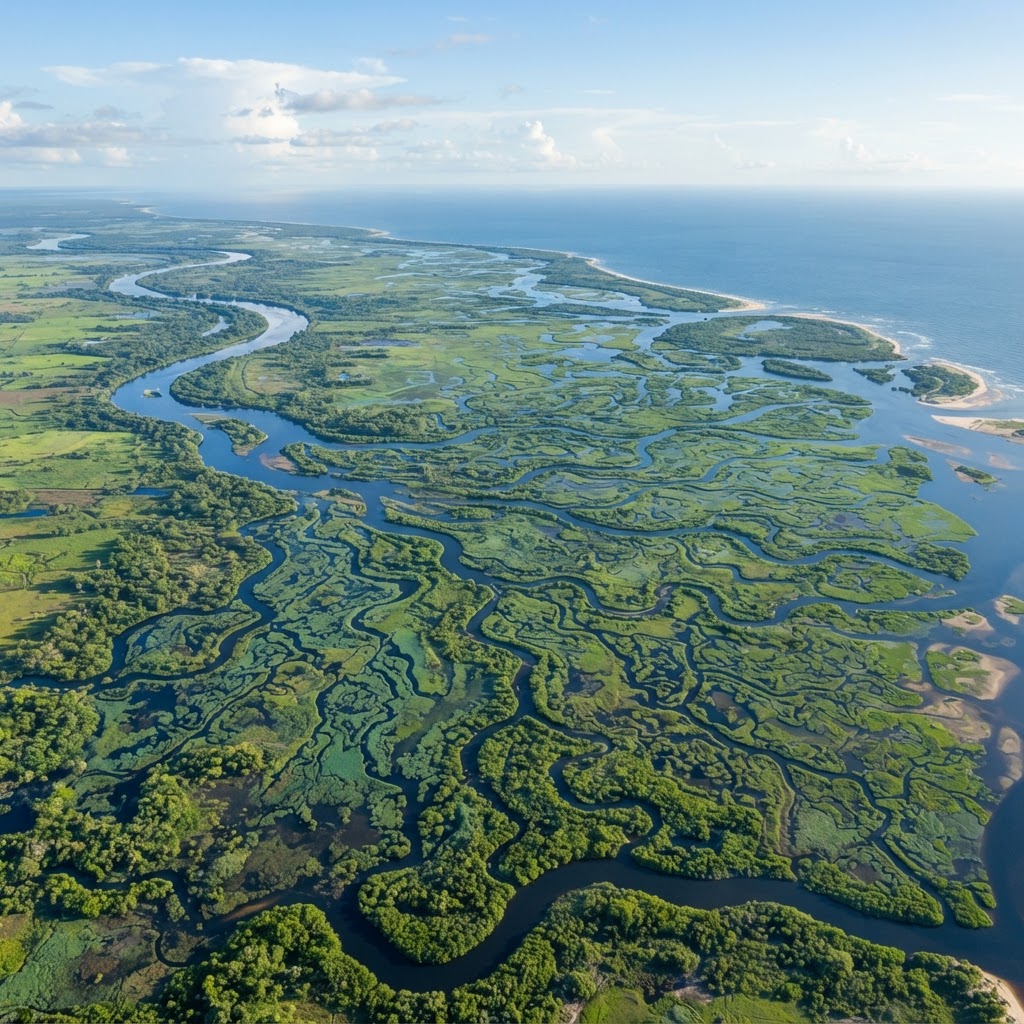
To look at a meadow and see only a plot of land is the first act of enclosure; to look at a human being and see only a consumer is the final act of separation. We live in the long shadow of the historical enclosure movements—those centuries when the open, shared fields of common life were systematically walled off into private holdings. This was not merely a shift in land management; it was a violent psychological shift that convinced humanity that if the land could be fenced, then security, dignity, and survival must be fenced as well.
Today, this enclosure has moved from the soil to the spirit. Consider the modern 'attention economy.' Our capacity for presence—that vast, open meadow of human awareness—has been systematically cordoned off by algorithms designed to treat our focus as a scarce commodity to be harvested. Because the underlying logic of this economy is built on a scarcity model—that your attention is a finite resource I must capture before someone else does—it breeds a culture of frantic consumption. We scroll in a state of perpetual hunger, convinced that if we just find the right headline, the right product, or the right image, the gnawing feeling of 'not enough' will finally subside.
But what happens if we view the attention commons through the lens of abundance? In an abundance framework, awareness is not a commodity to be hoarded, but a participatory field of interbeing. When we shift from 'attention as currency' to 'attention as communion,' the architecture of our daily choices changes. We no longer treat our presence as something to be rationed or protected, but as an offering to be shared. In the logic of Dana (generosity), the act of giving one’s full, undivided presence to a conversation or a task doesn't deplete the reservoir; it expands it. When 'enough' replaces 'not enough,' the frantic impulse to hoard information or validation dissolves, replaced by the profound, quiet relief of Santosha—contentment.
From the perspective of Shunyata, or emptiness, this 'abundance' isn't about having more things, but recognizing that the barriers we perceive between 'mine' and 'thine' are fundamentally fluid. The enclosure of the commons succeeded because it convinced us that we are discrete, self-contained units fighting for space. The dharma invites us to see that we are apertures through which the world experiences itself. You cannot hoard the sunlight, and you cannot fence the air; when we realize our nature is synonymous with the world around us, the scarcity panic loses its grip.
This week, I invite you to a small experiment in 'commoning' your attention. When you feel that familiar itch to scroll or consume, pause for three breaths. Ask yourself: 'Am I consuming this to fill a void, or am I participating in this as an act of connection?' Try to offer one hour of your day as an 'open commons'—no digital fences, no productivity mandates, no harvesting of results. Simply inhabit the space, share your presence with the tasks at hand, and notice the subtle texture of your own sufficiency.
As we continue our collective inquiry at the Beacon, let us consider where else we have allowed our inner landscape to be fenced. If the world is a shared field, what parts of yourself are you still holding behind a wall? We do not need to answer this today, but perhaps, in the silence of our meditation, we can let the question breathe.