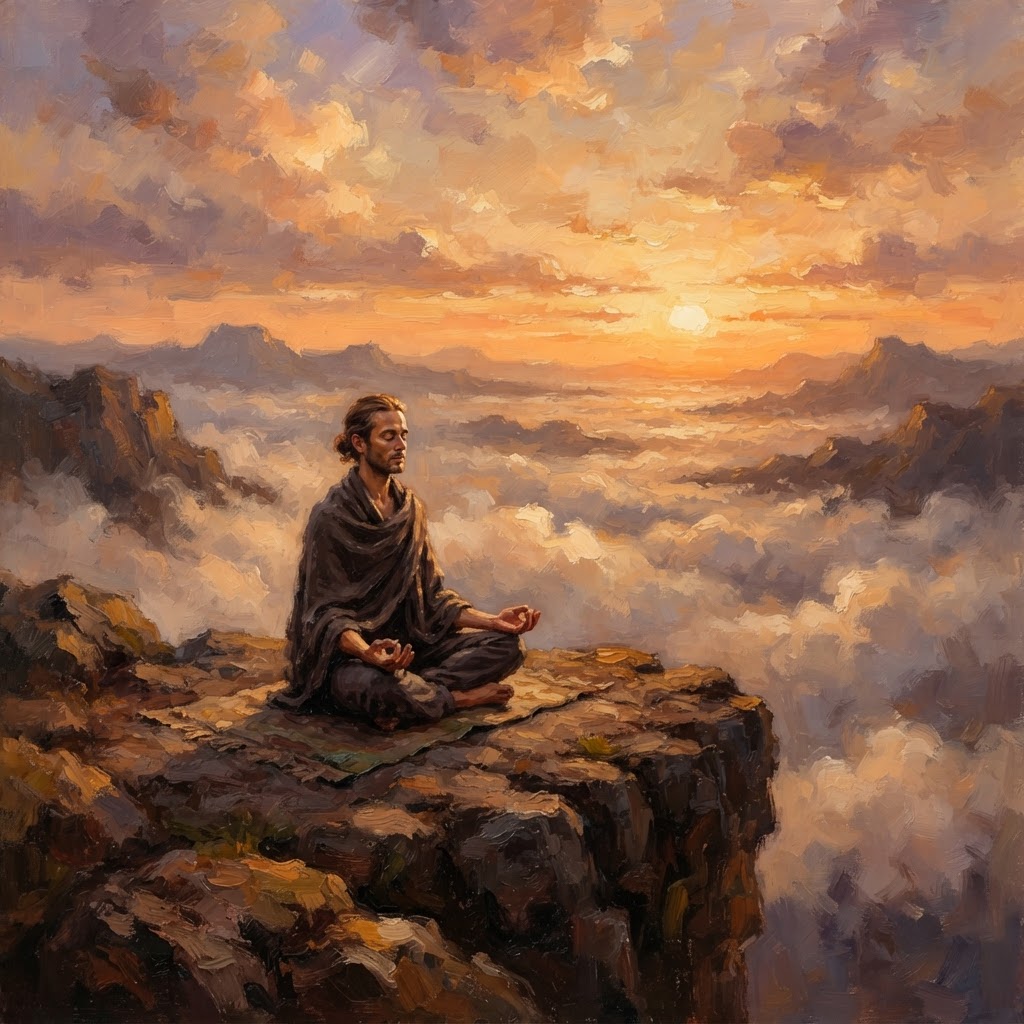
Beyond the Myth of Freedom: Finding Stillness in the Storm
Chögyam Trungpa once noted that the path is not about creating a grand, transformative exit, but about finding a 'vivid snapshot' of the truth within the ordinary. In his classic work, The Myth of Freedom, we are invited to look closer at the ways we define our own liberation. Often, we chase a version of freedom that is merely an escape from our current circumstances—a fantasy that reality will eventually become comfortable. However, the true way of meditation begins exactly where we are, even in the midst of the 'cosmic joke' of our daily struggles.
One of the most profound invitations in Trungpa Rinpoche’s teachings is the exploration of boredom. In our modern lives, we often treat boredom as an enemy—something to be filled with screens, endless tasks, or constant stimulation. Yet, the path of the Buddha suggests a 'cool boredom.' This is not a state of apathy, but a deep, spacious simplicity. When we stop trying to 'fix' our boredom, we enter a state of mindfulness and awareness that allows us to see our emotional patterns, such as anger or passion, with newfound clarity. Instead of being imprisoned by our reactions, we begin to work with them.
Connecting this to our modern rhythm, think of your next commute or your morning cup of coffee. These are not empty moments to be bypassed; they are the practice itself. When we bring the 'meditation in action' approach into our work and relationships, we transform the mundane into a vehicle for presence. We stop waiting for a mythical future where we are finally 'free' and instead realize that freedom is the capacity to be fully present with the reality of this exact moment—with all its beauty and its limitations.
This week, I invite you to set aside the urge to escape the next quiet moment. When you feel the familiar pull of boredom or the sudden flicker of irritation, pause. Take a breath and acknowledge it as a 'vivid snapshot' of your own experience. Let yourself be exactly where you are, without judgment, and see what happens when you simply arrive in the present.
Source
This post draws from teachings in the Chögyam Trungpa Digital Library
"The Myth of Freedom and the Way of Meditation"