The Infinite Currency: Reclaiming the Garden of Attention
To build a cage is to convince the bird that the sky is a limited resource. We live in a civilization defined by the architecture of 'not enough,' a narrative that turns the vast, open field of human presence into a narrow corridor of survival. Yet, the irony of our age is that while we clamor for the scraps of information, we are starving for the nourishment of presence.
Consider the 'Attention Economy'—the modern engine of extraction. It is a system predicated entirely on the logic of scarcity. Algorithms are designed to trigger our primal survival instincts, convincing us that if we do not refresh the feed, if we do not consume the headline, or if we do not validate our presence through social comparison, we will cease to exist or belong. This is not mere distraction; it is a calculated enclosure of the human spirit. The platform masters treat our focus as a finite commodity to be mined, sold, and depleted, creating a frantic state of internal poverty where the mind never rests because it fears it is missing the one thing that will finally make it 'enough.'
When we apply the lens of abundance, the crisis of the attention economy transforms into an opportunity for sovereignty. What happens when 'enough' replaces 'not enough'? When we recognize that attention is not a commodity to be traded, but a quality of awareness to be offered, our orientation shifts. In a scarcity mindset, we are consumers—passive, reactive, and depleted. In an abundance mindset, we are practitioners—active, intentional, and generative. To view our attention as abundant is to realize that the capacity to witness, to listen, and to linger is an infinite reservoir. We do not lose our focus by giving it; we expand our reality through the act of deep noticing.
This is the heart of the Dharma. The teaching of Santosha (contentment) is not a call for passivity, but a radical recognition of the fullness inherent in the present moment. When we sit in meditation, we are not trying to 'get' somewhere; we are dismantling the scarcity story that tells us our current state of mind is deficient. We encounter Shunyata—the emptiness that is, paradoxically, pregnant with potential. By resting in this emptiness, we find that we already possess the capacity to be fully present with the discomfort of the world without being destroyed by it. We learn the art of Dana (generosity)—not just of material goods, but the sacred gift of undivided attention given to a friend, a task, or the simple sensation of breath.
This week, I invite you to a simple inquiry: Whenever you feel the pull to 'check' or 'consume'—be it a device or a thought—pause and name the sensation of scarcity. Ask yourself, 'What do I fear I will lose if I stay here, right now, with this breath?' Then, consciously offer your full attention to one mundane object or person for sixty seconds. Notice how this shift turns a moment of extraction into a moment of communion.
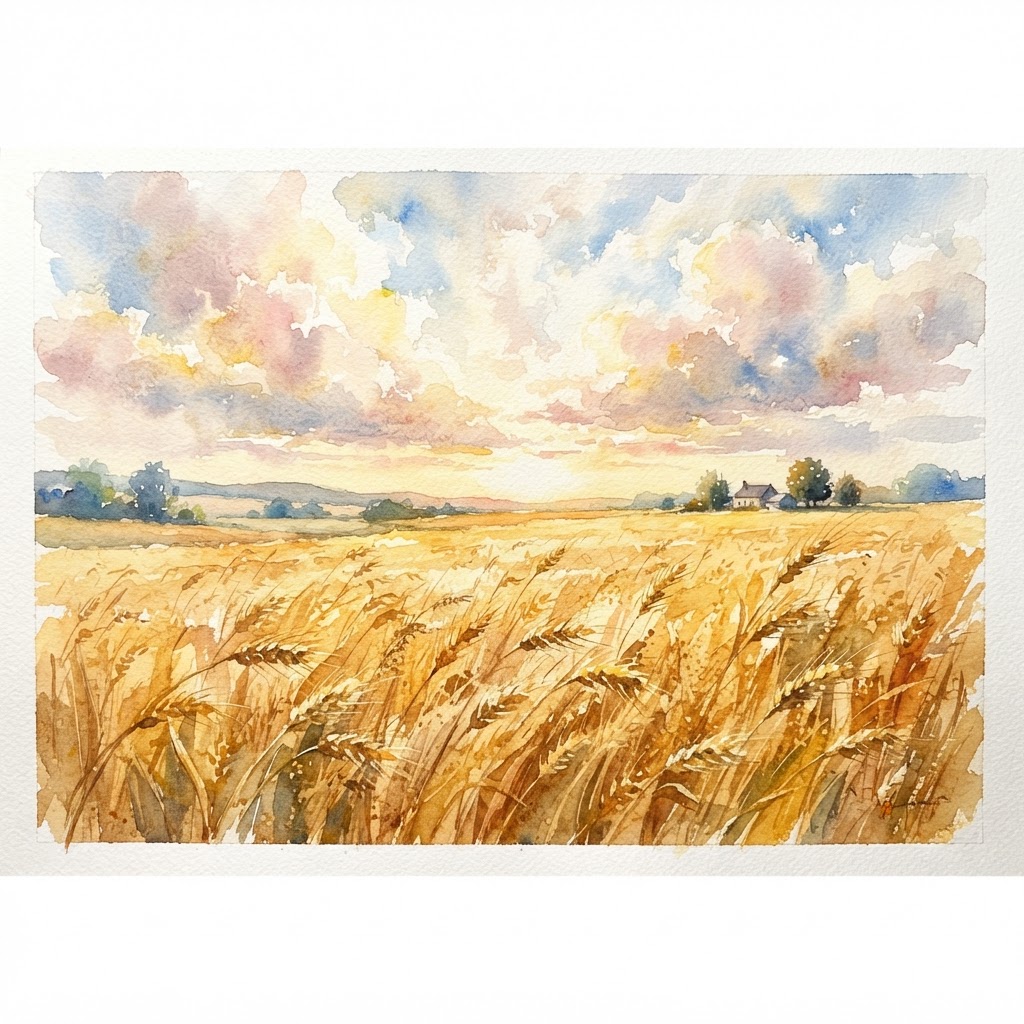
We are only beginning to scratch the surface of what it means to live from a place of radical abundance. How does the quality of your day change when you stop viewing your focus as a currency to be spent, and start seeing it as a field to be cultivated? Let us sit with this together, allowing the answer to emerge from the quiet spaces between our thoughts.